The Quiet After
The Quiet After looks at places that have outlived the purposes for which they were built. Military bases, hospitals, factories, and abandoned settlements remain after war, industry, and social change have moved on.
Empty rooms, broken structures, and overgrown grounds still carry traces of the people who once occupied them. As these places slowly return to silence, nature begins to reclaim what was left behind.
The photographs are less about ruins than about what remains after human activity has ceased—memory, absence, and the passage of time.
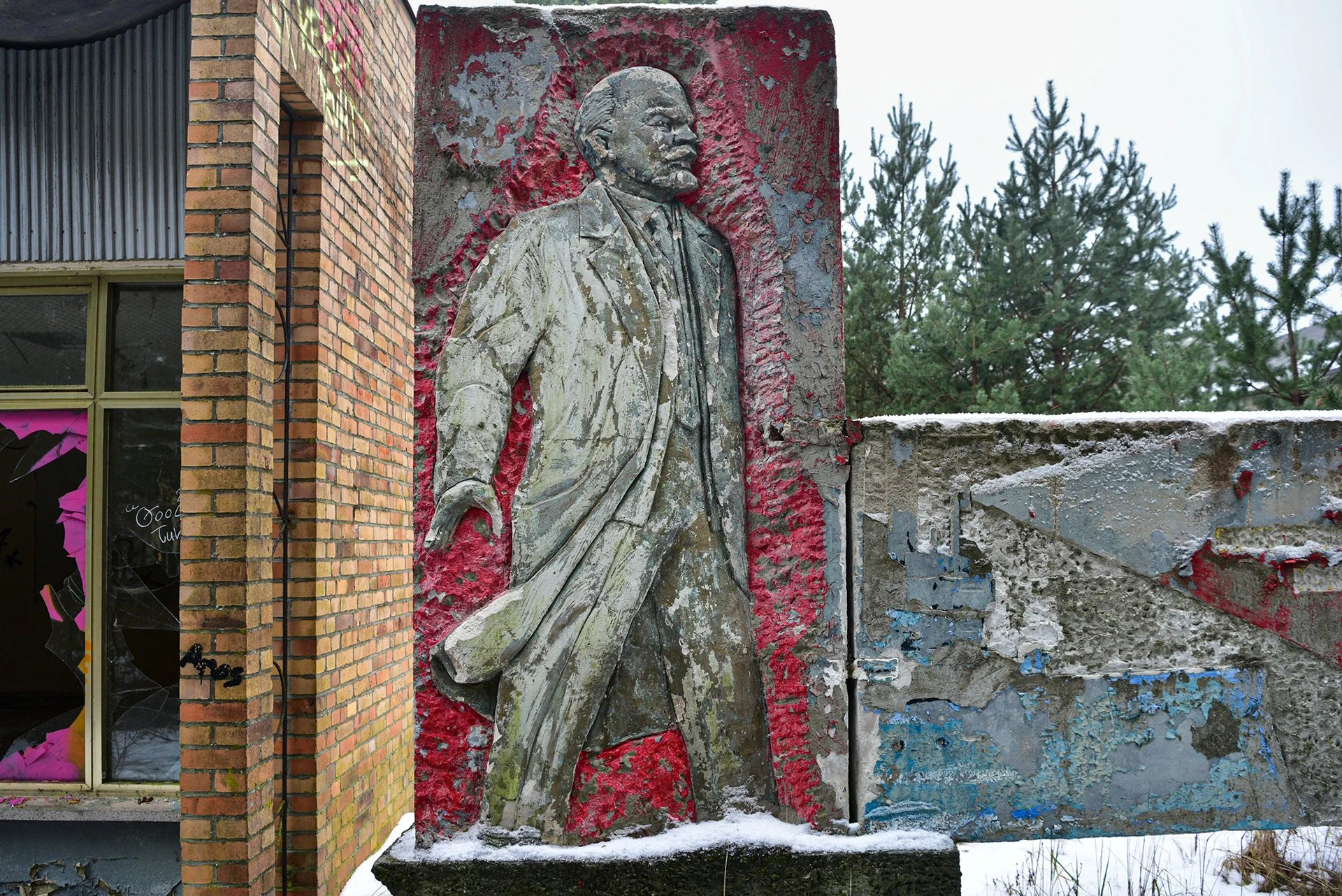
Vogelsang
Abandoned Soviet military settlenment near Berlin,
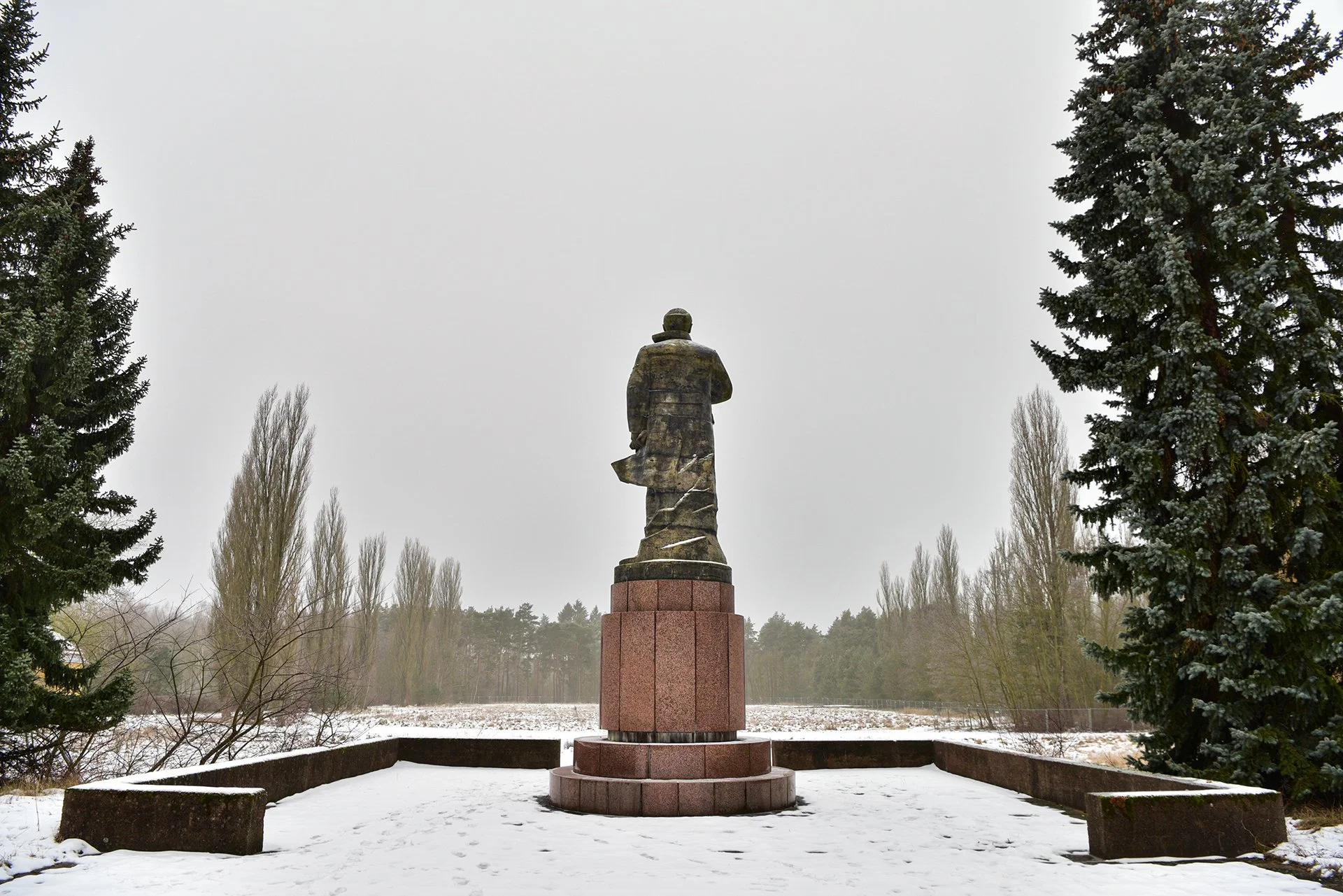
Wünsdorf
South of Berlin, Wünsdorf served for decades as the headquarters of Soviet forces in East Germany. Since the military left in 1994, its vast barracks, monuments, and deserted streets have become a landscape where history gradually yields to silence and nature.
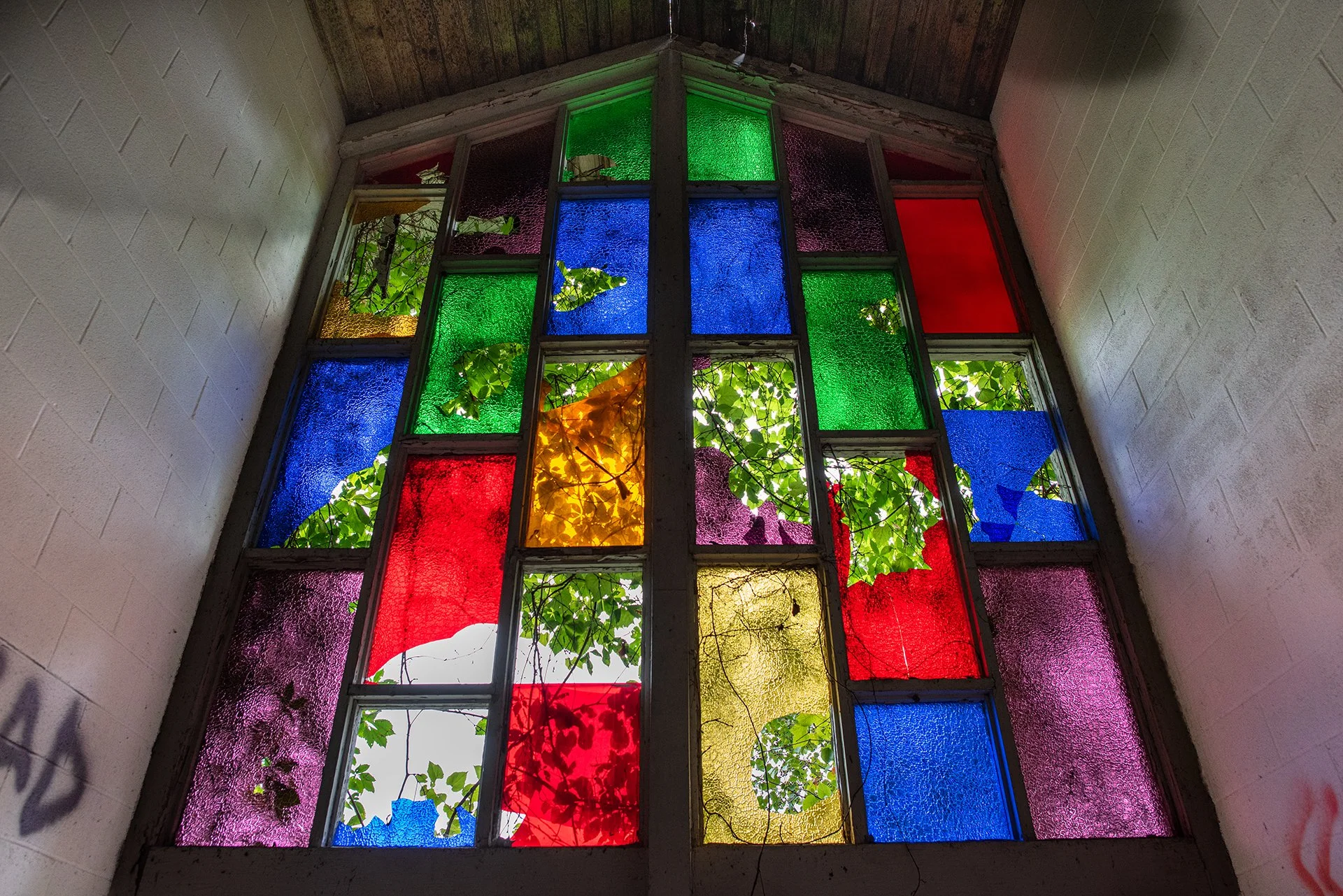
Forest Haven
Once a psychiatric hospital outside Washington, D.C., Forest Haven was abandoned after decades of neglect. Nature now moves through its empty wards, quietly erasing the traces of institutional life.
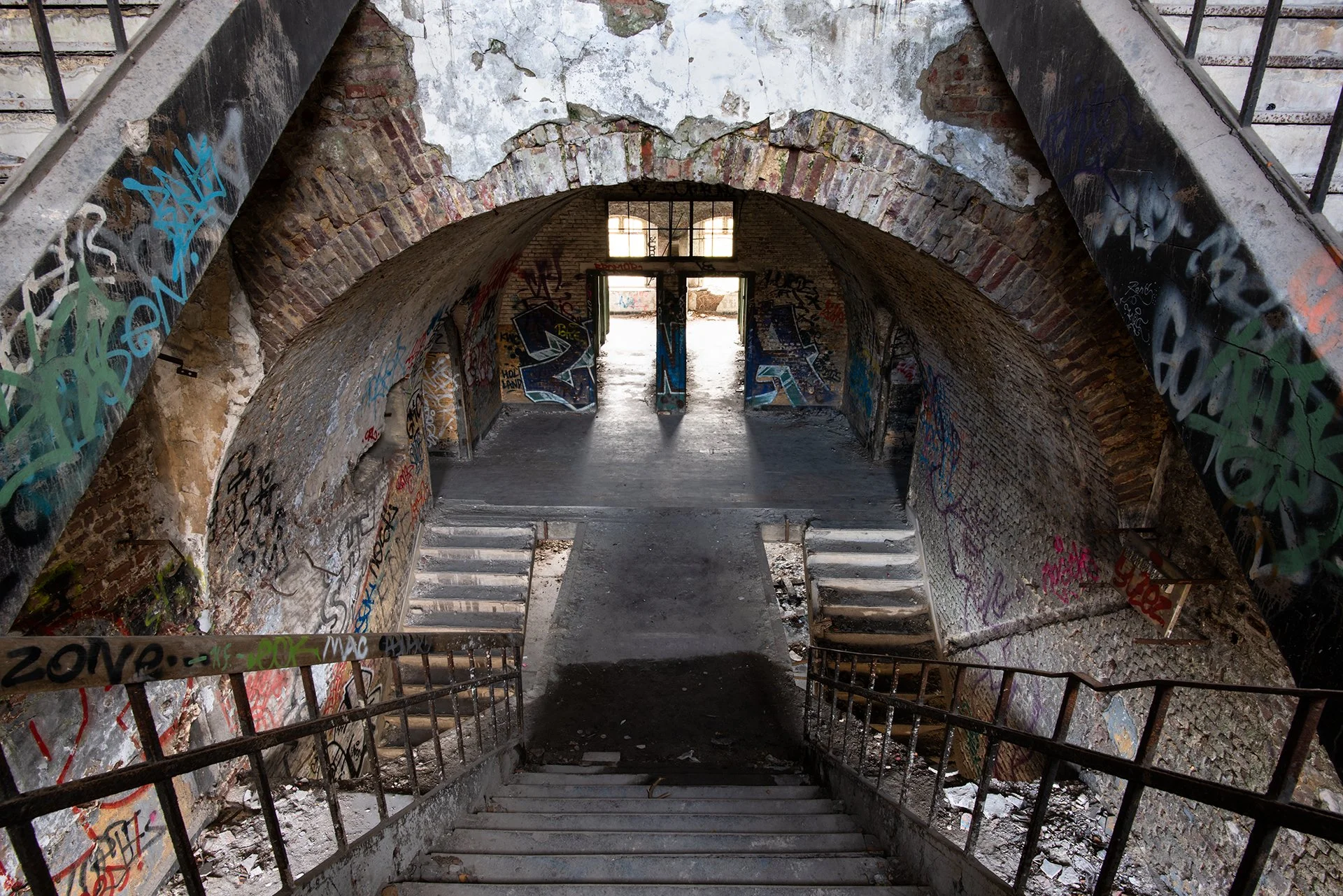
Fort de la Chartreuse
Built in the early nineteenth century to defend Liège, Fort de la Chartreuse later served as a military barracks before being abandoned. Today, its empty corridors and graffiti-covered walls bear witness to changing histories.
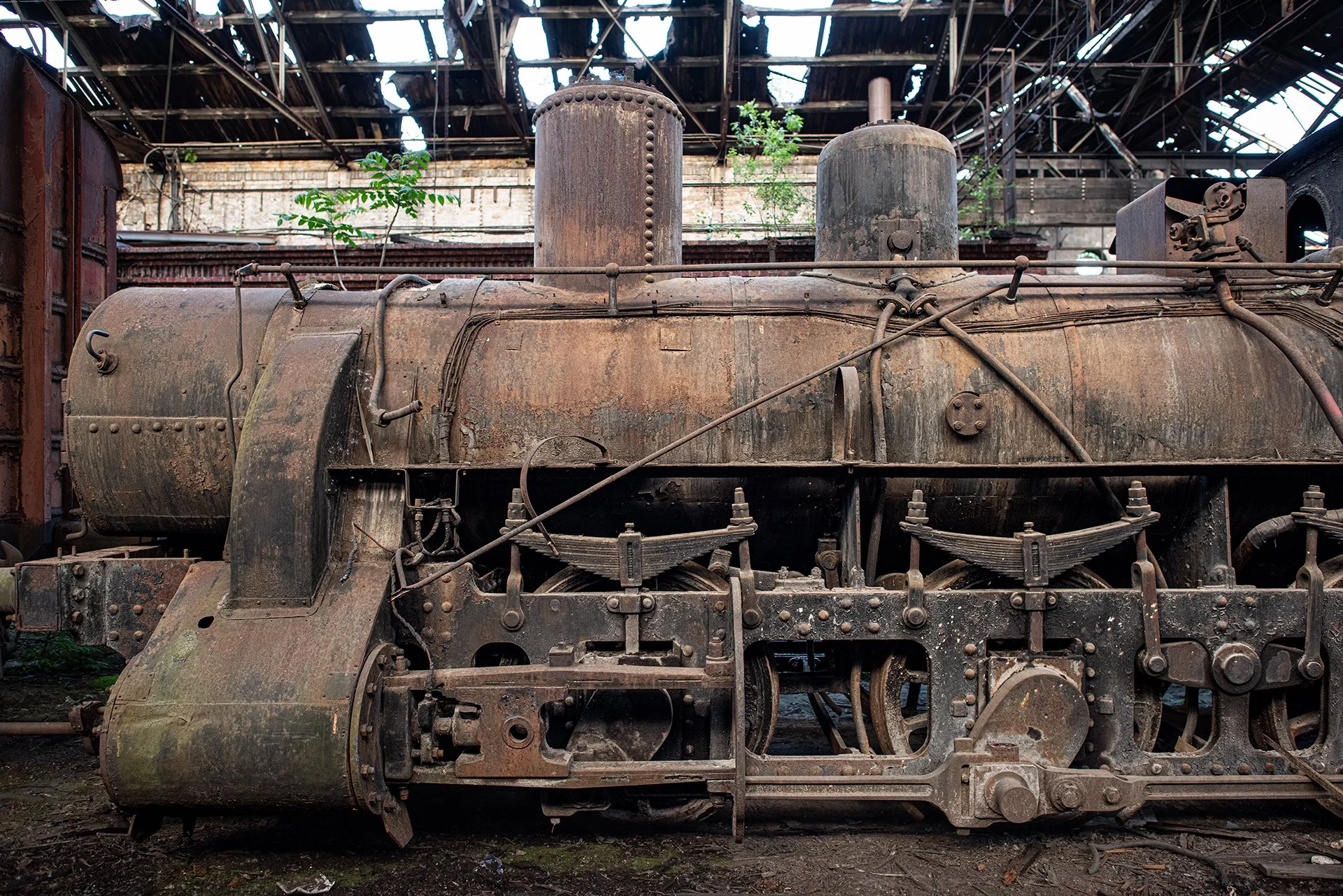
Istvántelek
Once a major railway maintenance depot in Budapest, Istvántelek preserves the remains of Hungary's industrial past. Silent locomotives and abandoned workshops stand as traces of a vanished era.
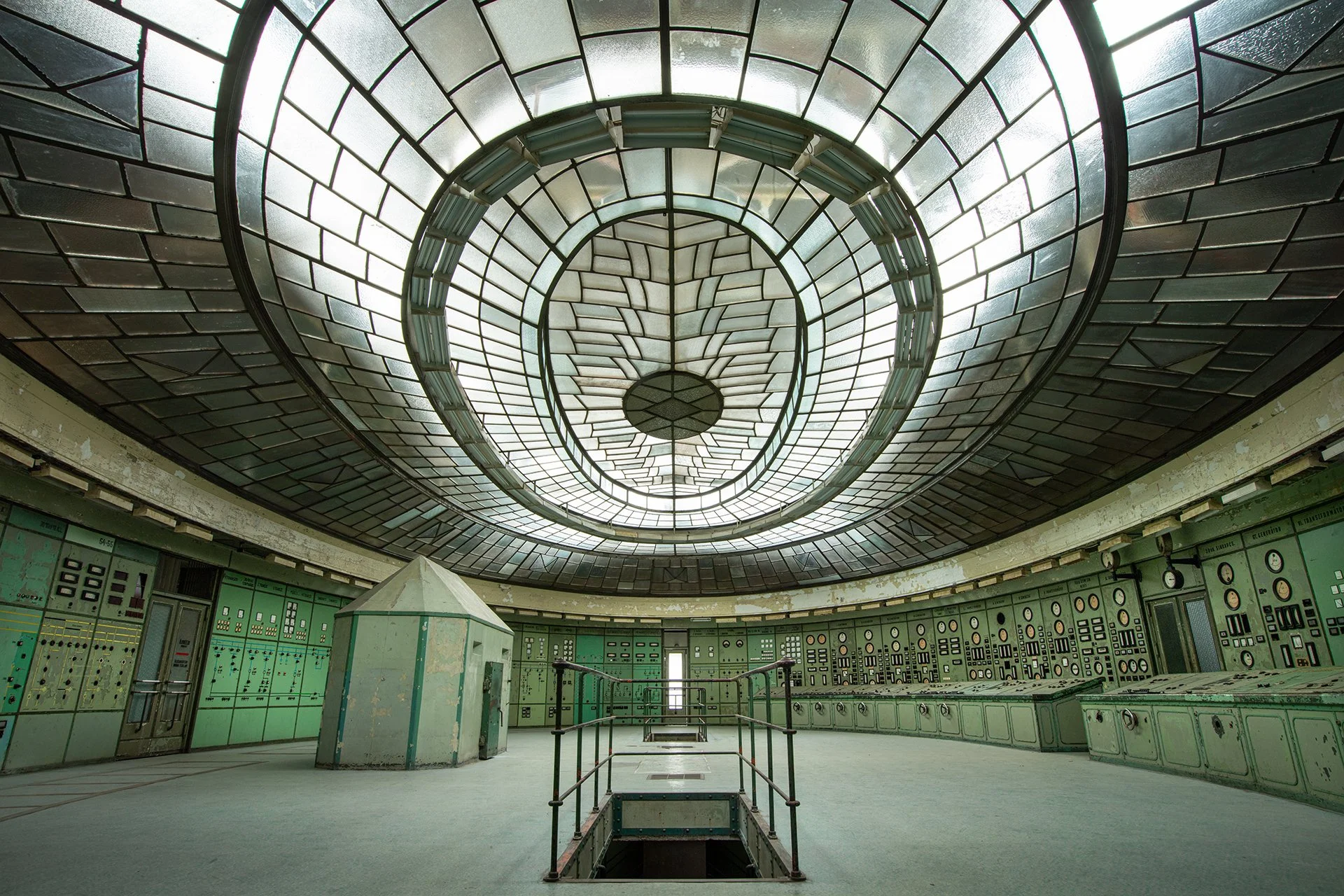
Kelenföld
An icon of early twentieth-century industrial architecture, Kelenföld Power Station preserves one of Europe's most remarkable Art Deco control rooms. Though silent for decades, it still reflects the optimism of an age that believed technology could shape the future.
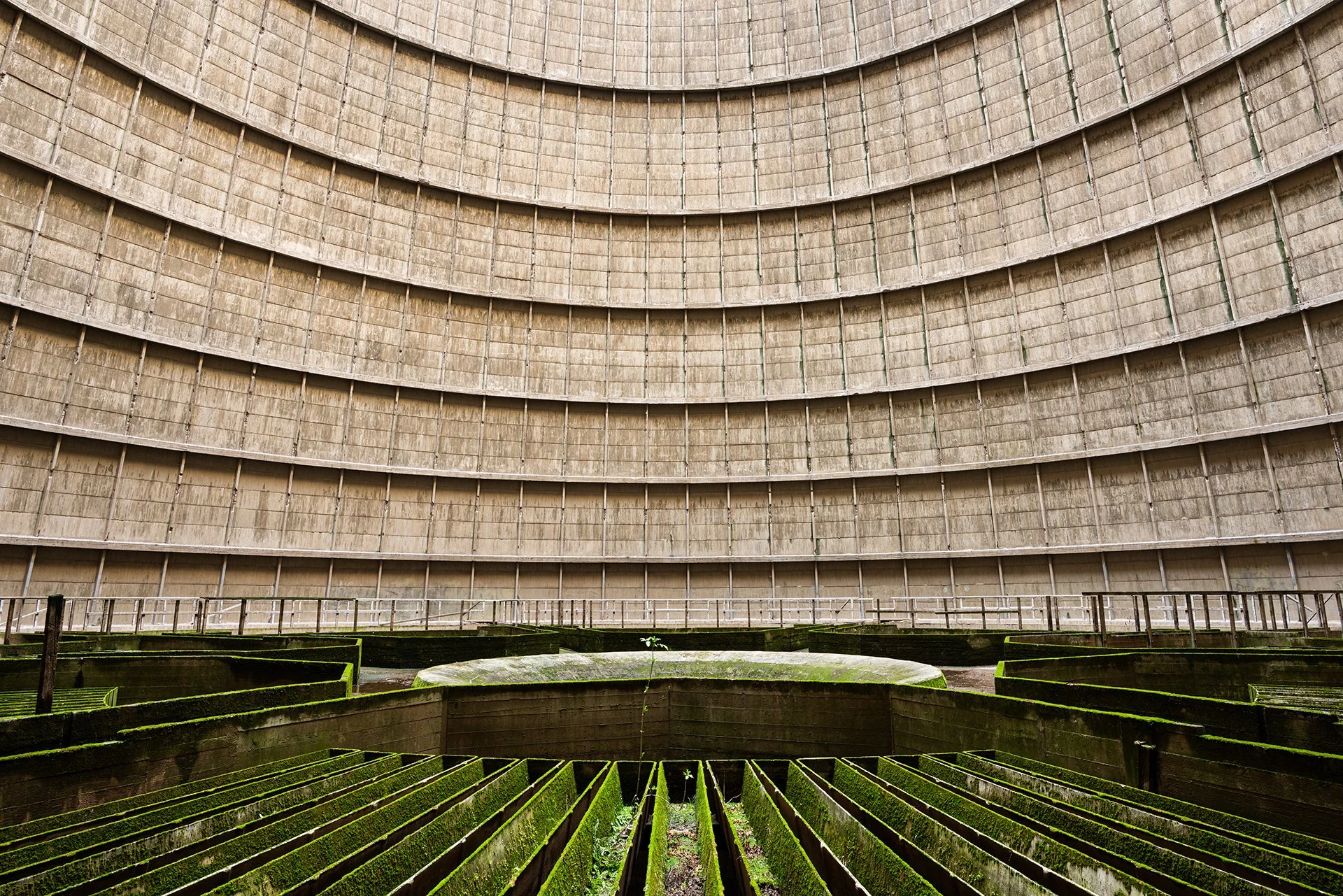
Power Plant IM
Hidden behind overgrown trees, the abandoned power station stands as a reminder of an industrial landscape that once fueled the region. Nature now advances through the empty buildings, softening the traces of machinery and time.
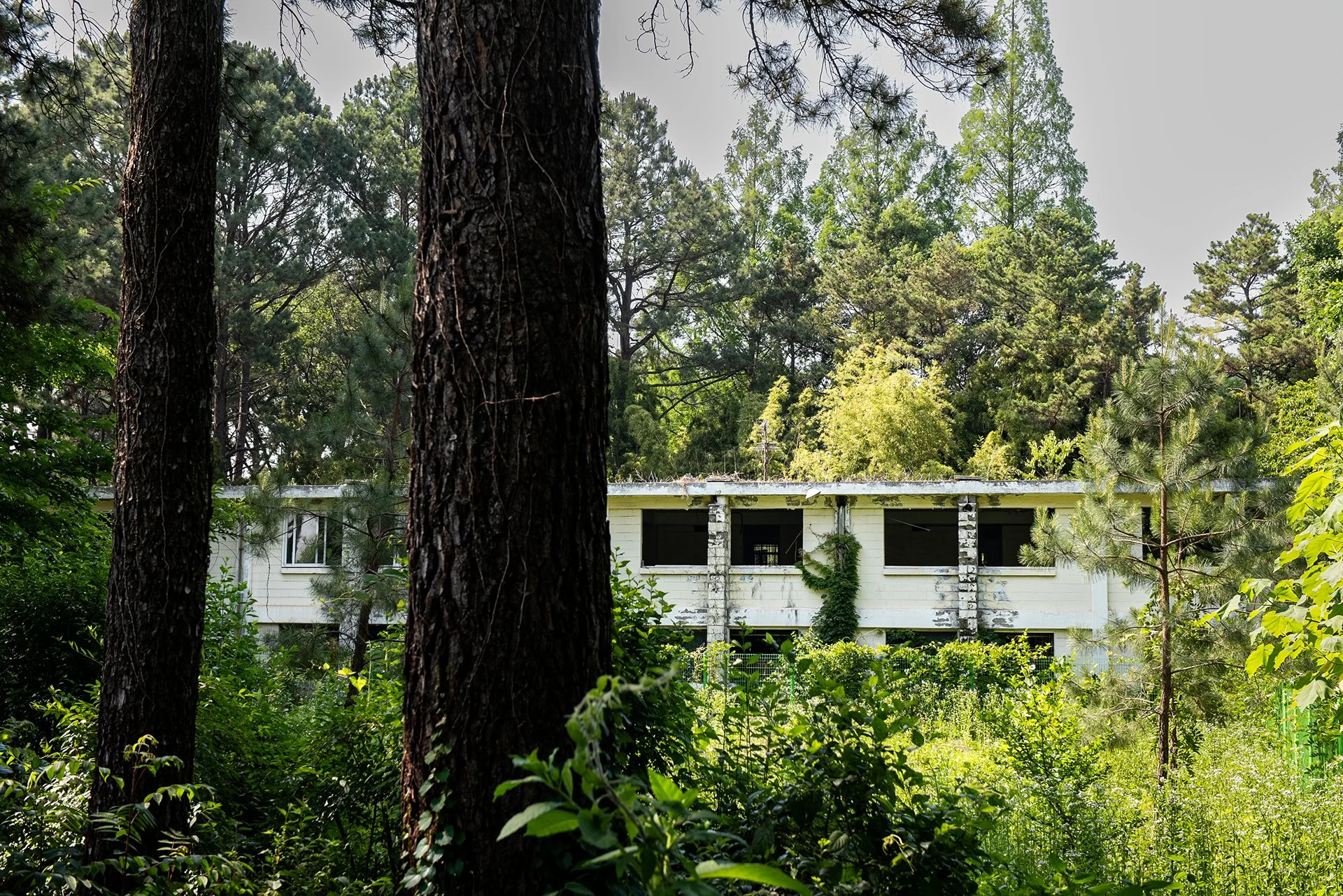
501 Security Unit
In Gwangju, South Korea, the former 501 Security Unit once stood as an arm of Korea's military dictatorship. Today, only abandoned rooms and weathered walls remain, carrying the quiet weight of memories that time has failed to erase.
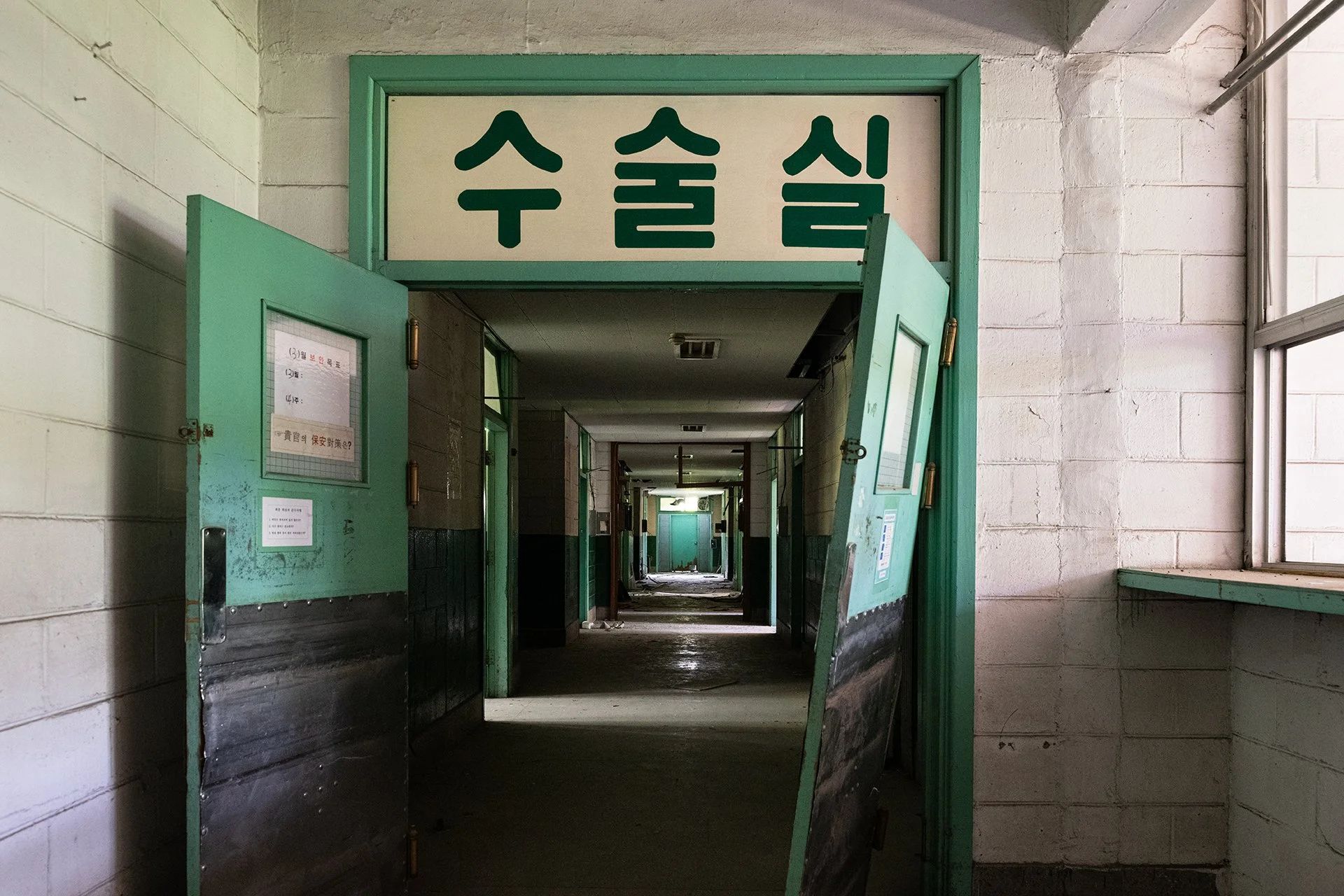
5.18 Hospital
Once the main hospital during the Gwangju Uprising, this building became a silent witness to one of Korea's defining moments in the struggle for democracy. Today, its abandoned wards hold memories that have outlived the events themselves.
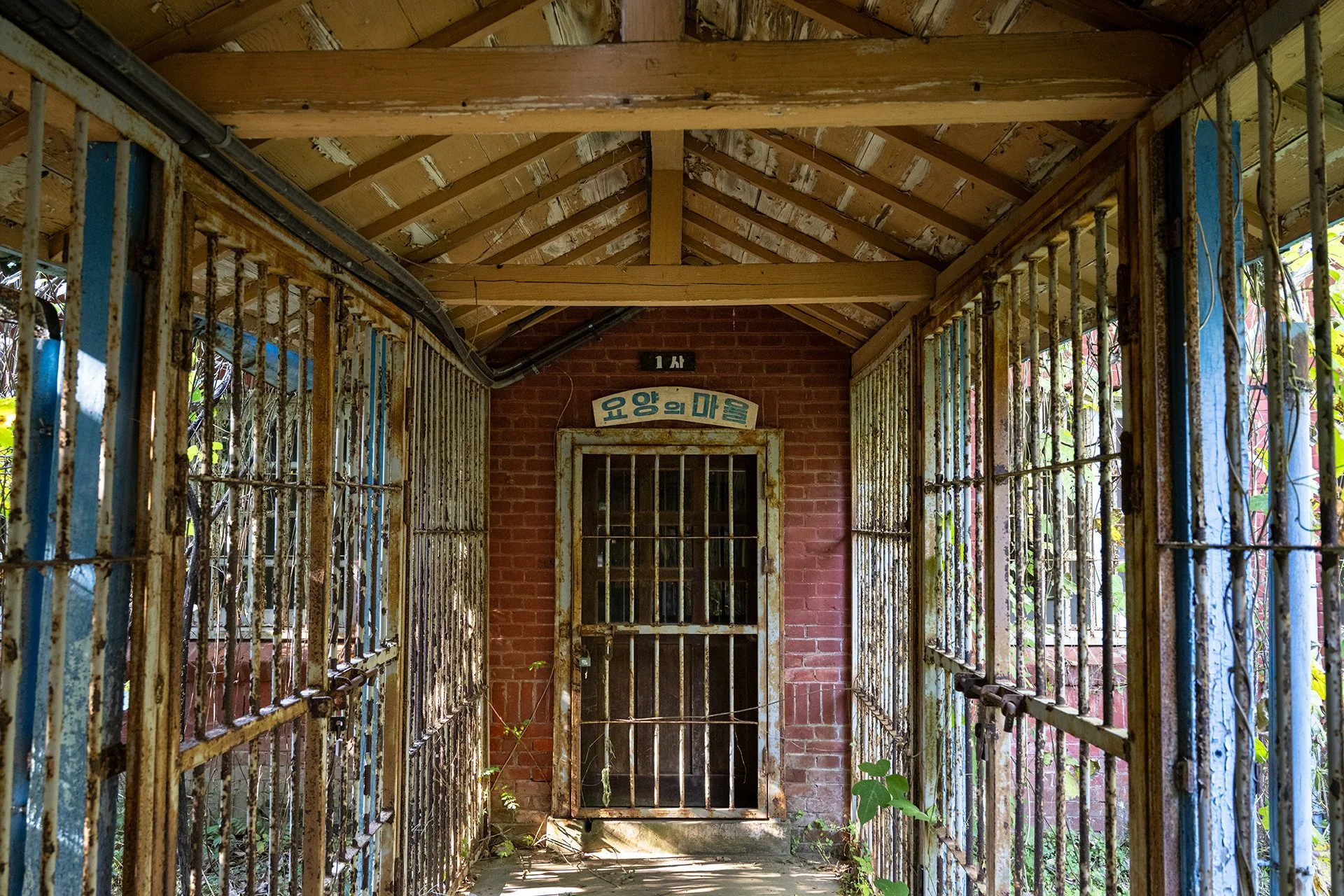
Sorokdo: Confined
For decades, people with Hansen's disease were isolated on Sorokdo, separated from society by fear and prejudice. Though many of the buildings now stand empty, they remain enduring reminders of lives lived in enforced confinement.
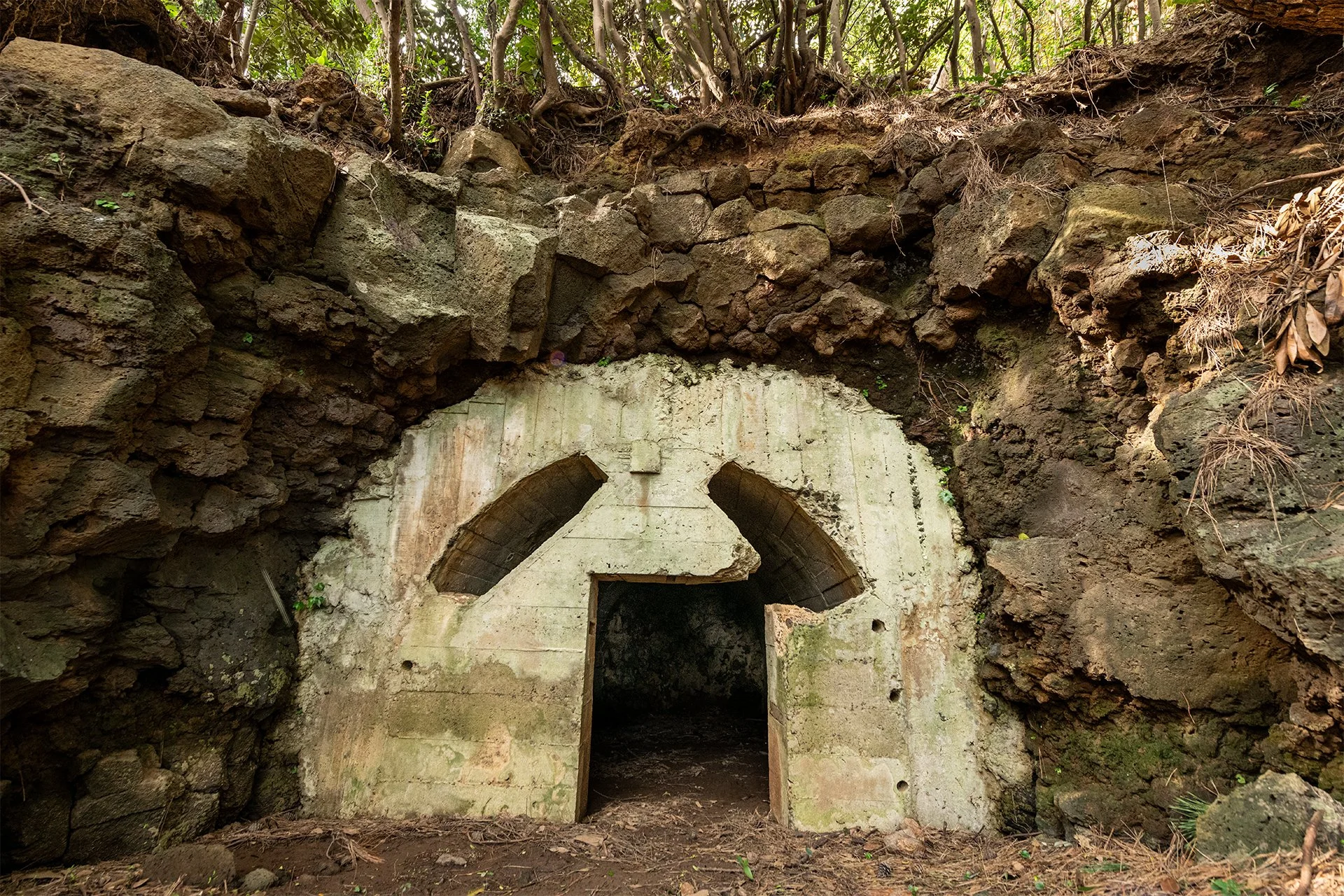
Hollow Island
Built by the Japanese military in anticipation of an Allied invasion on Jeju Island during the final years of World War II, these bunkers remain embedded in the volcanic cliffs.
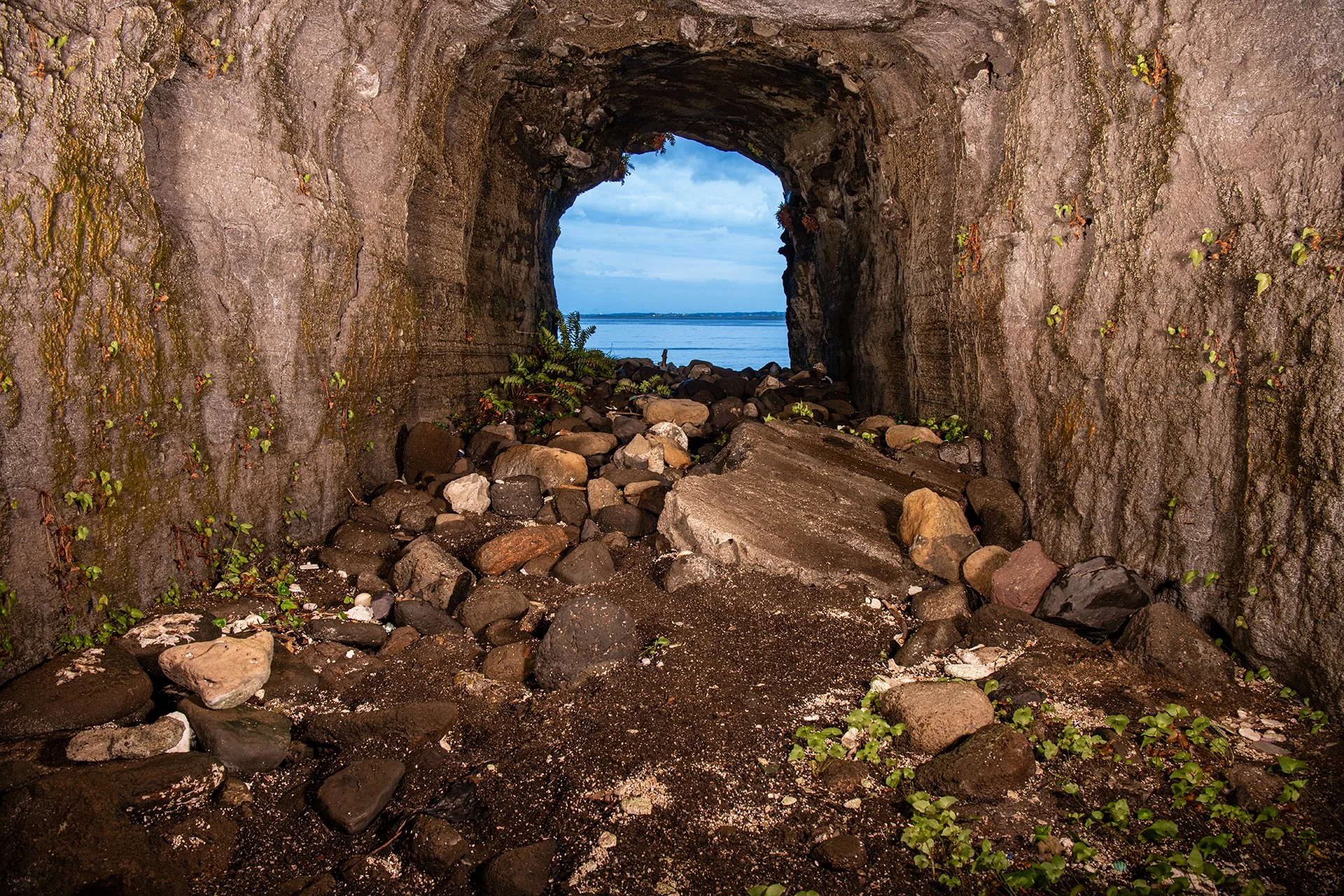
Hidden Chambers
Built by the Japanese military during the colonial era, these tunnels were designed to conceal small submarines and other naval craft. Today, only the empty passages remain, opening quietly toward the sea while preserving the echoes of a forgotten military past.