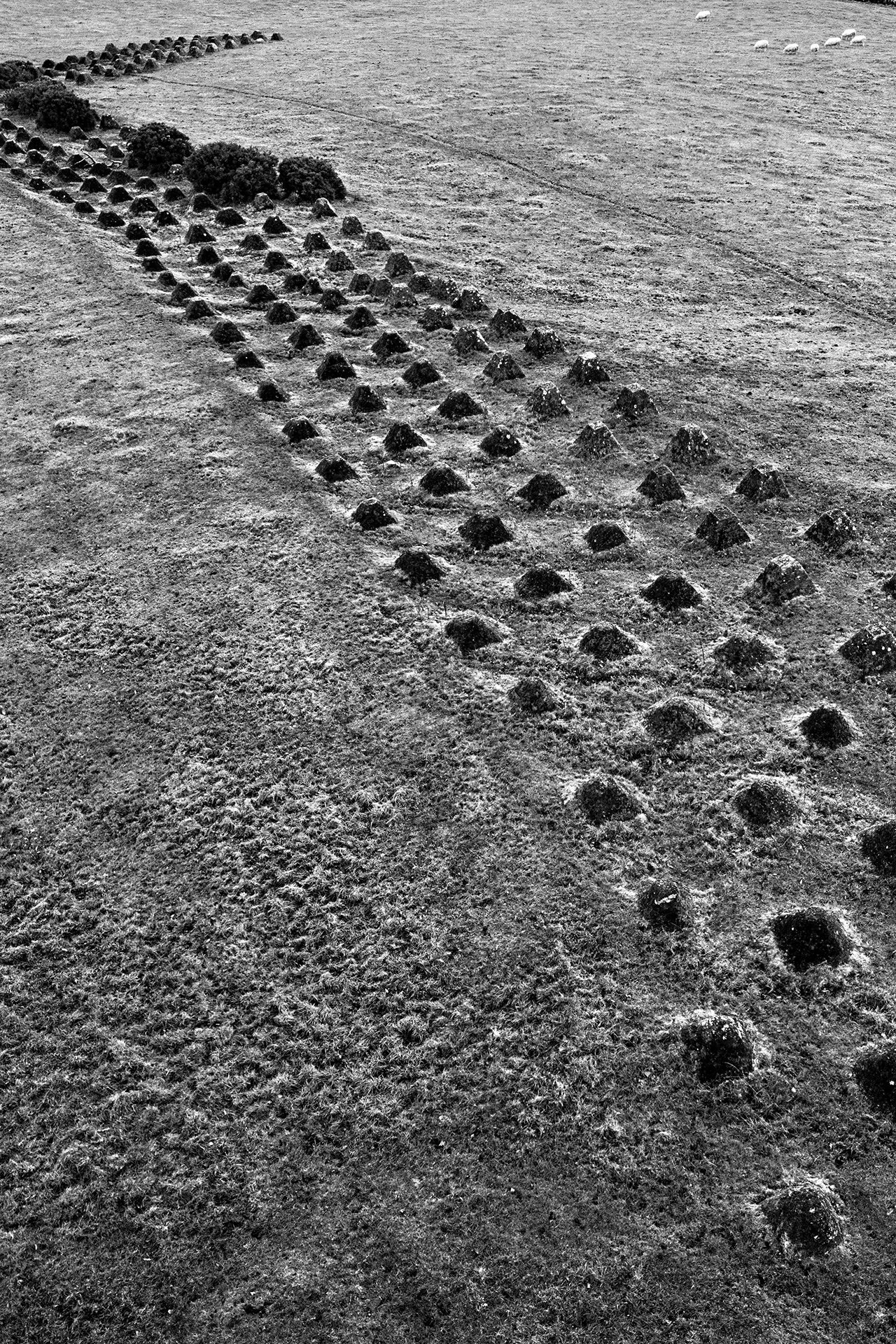
Dragon’s Teeth
Waiting for Enemy who never comes
Across Europe and Korea, rows of concrete anti-tank obstacles remain embedded in fields, mountains, riverbanks, and borderlands. Built to stop invading armies, these fortifications have outlived the conflicts that created them, becoming enduring monuments to fear, division, and the changing landscape of war.
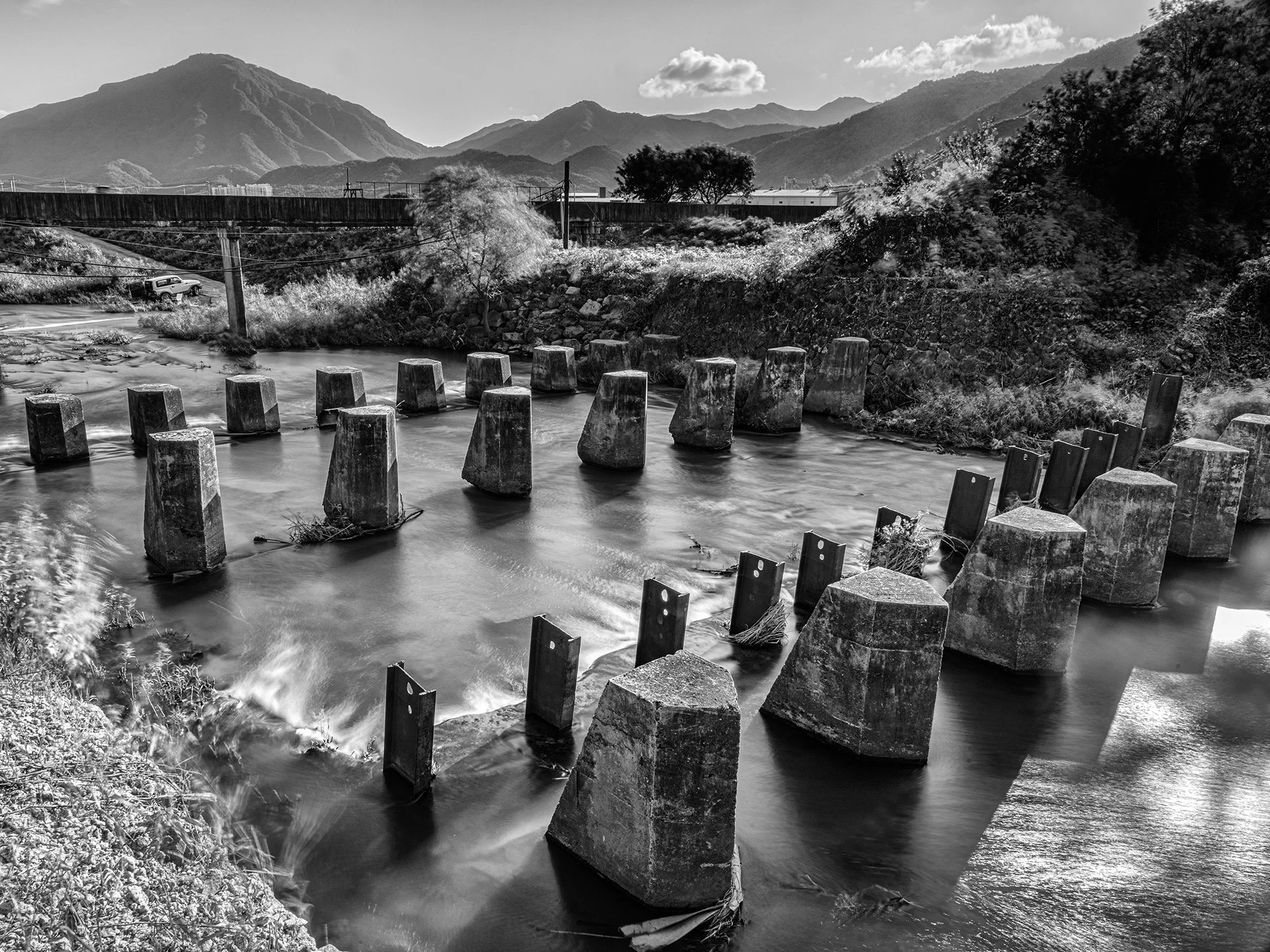
Dragon's Teeth - Korea
Beginning in the late 1960s, dragon's teeth were built across northern South Korea to defend against a possible invasion from the North. Extending from mountain passes to river crossings and coastal islands, they remain one of the world's largest surviving Cold War fortification systems.
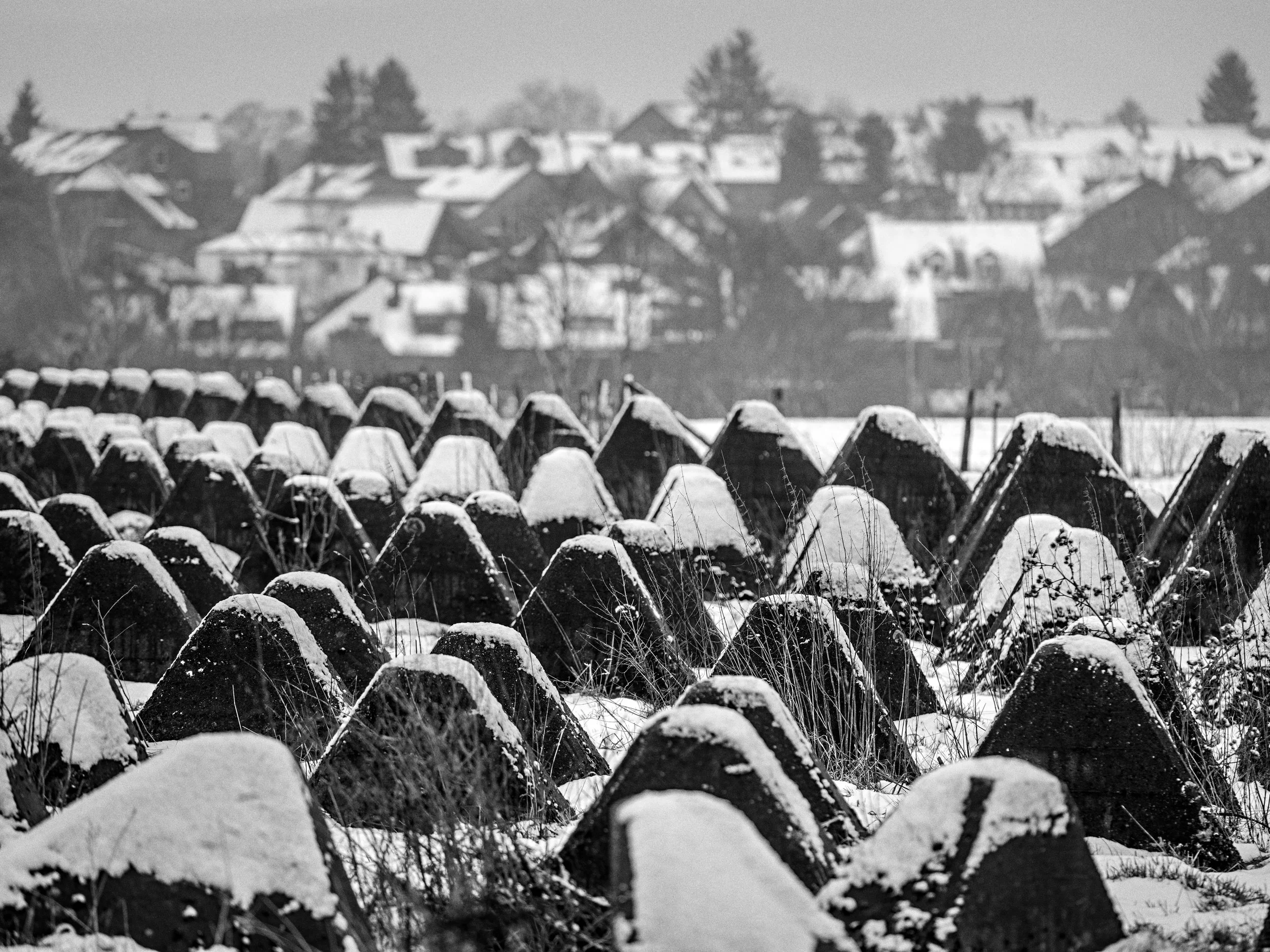
Dragon's Teeth - Germany
Constructed as part of the Westwall before the Second World War, Germany's dragon's teeth formed one of Europe's largest anti-tank defense systems. Today they remain scattered across fields and villages, where traces of war have become part of the everyday landscape.
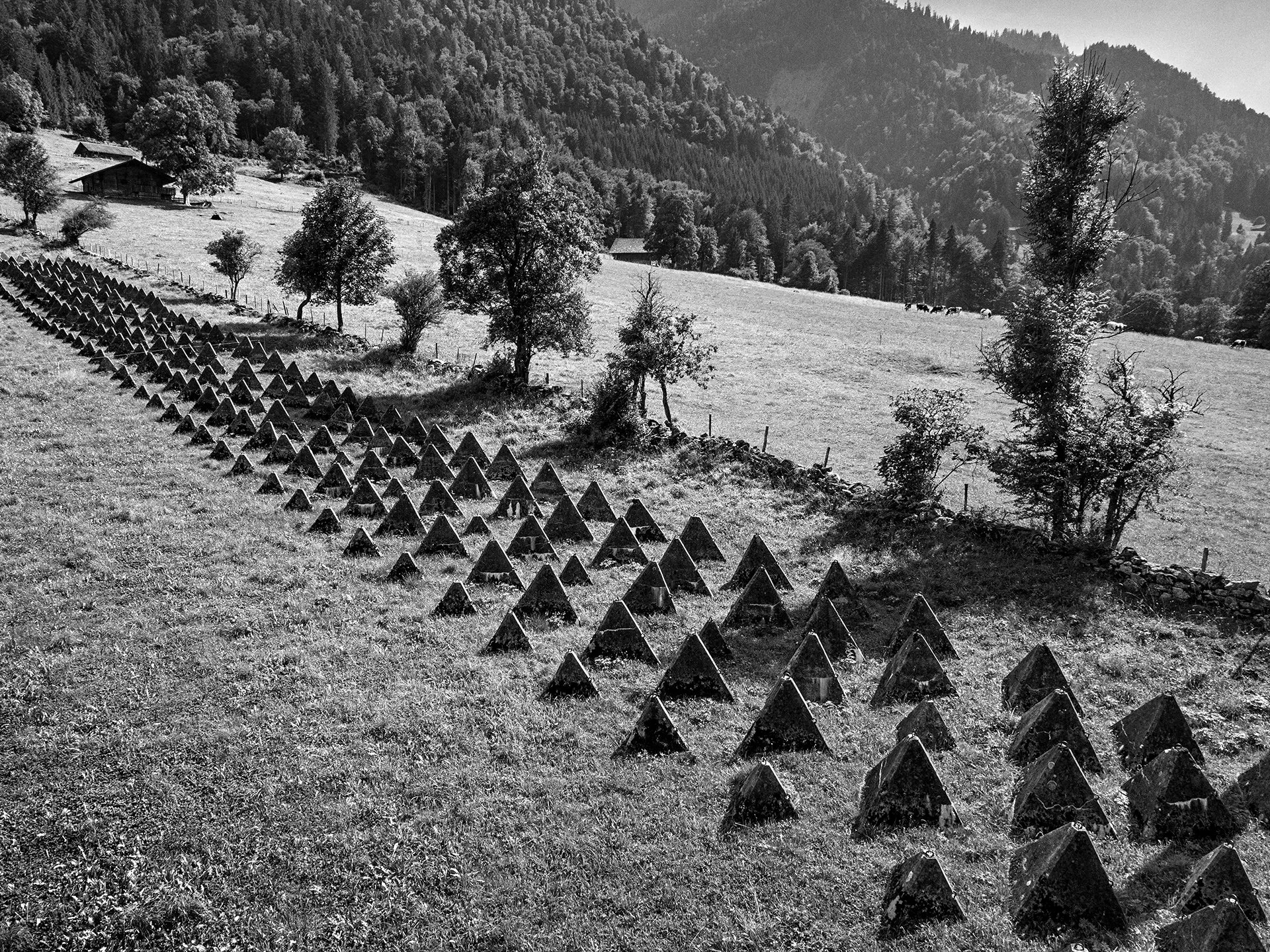
Dragon's Teeth - Swiss
Integrated into Switzerland's national defense strategy, dragon's teeth protected key Alpine passes and strategic valleys. Preserved within the mountain landscape, they reflect a policy of armed neutrality that shaped the country throughout the twentieth century.
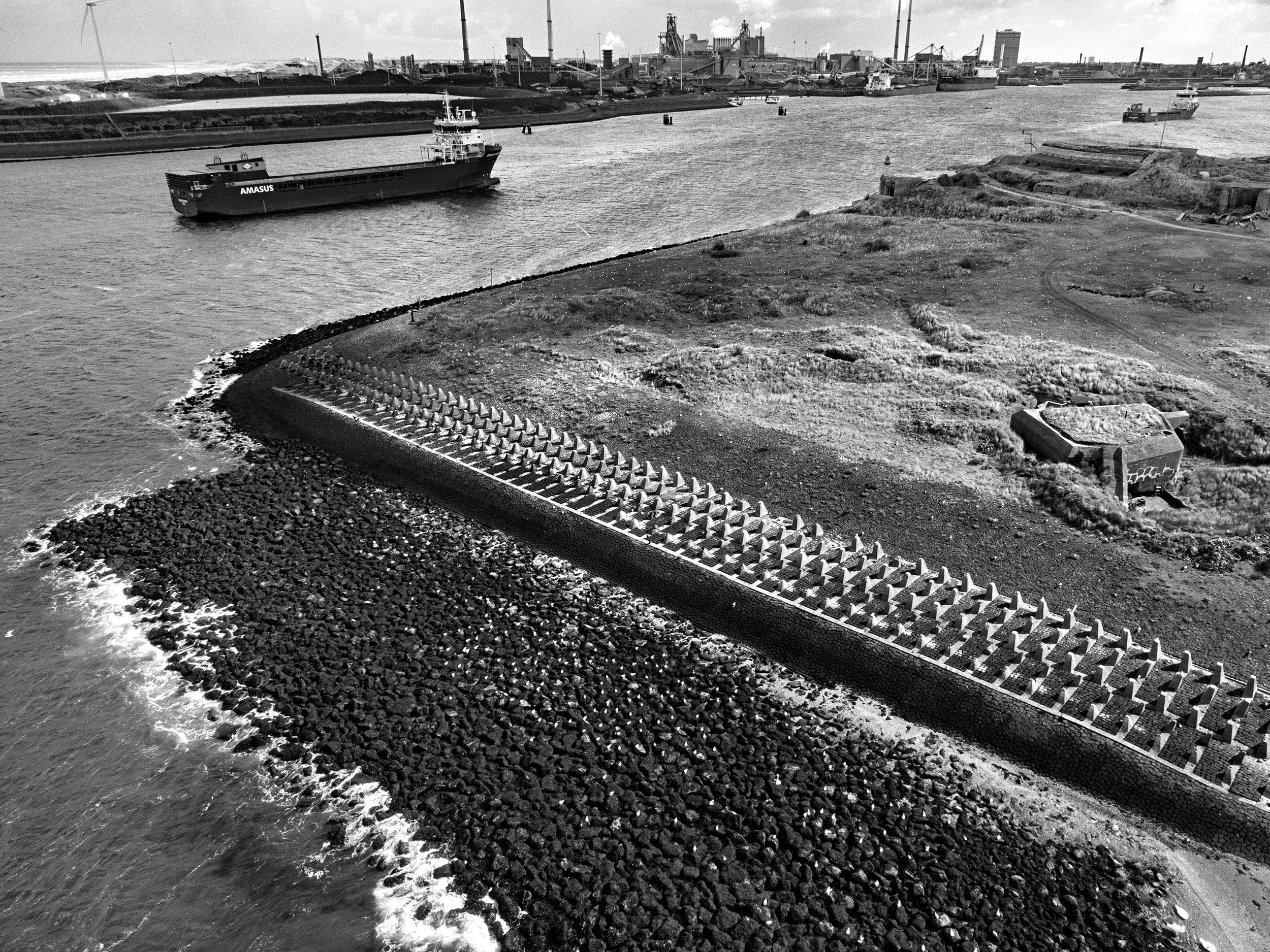
The Netherlands combined dragon's teeth with rivers, dikes, and flood defenses to protect vulnerable approaches. Many still survive, revealing how engineering and military planning became inseparable in the defense of a low-lying country.
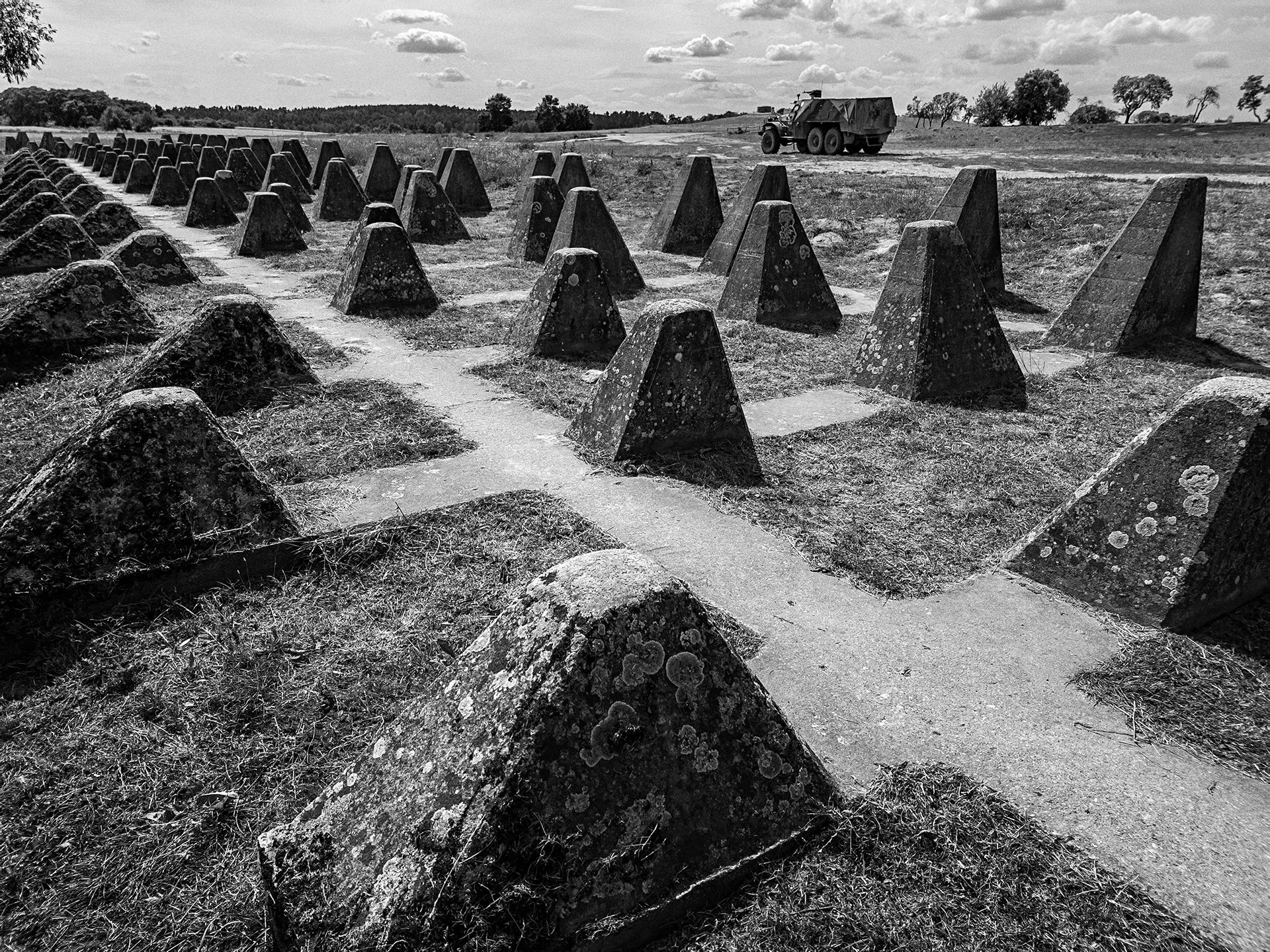
Dragon's Teeth - Poland
Built before and during the Second World War, anti-tank barriers still mark parts of the Polish landscape. These surviving fortifications reflect a history shaped by repeated invasions, shifting borders, and the lasting legacy of conflict.
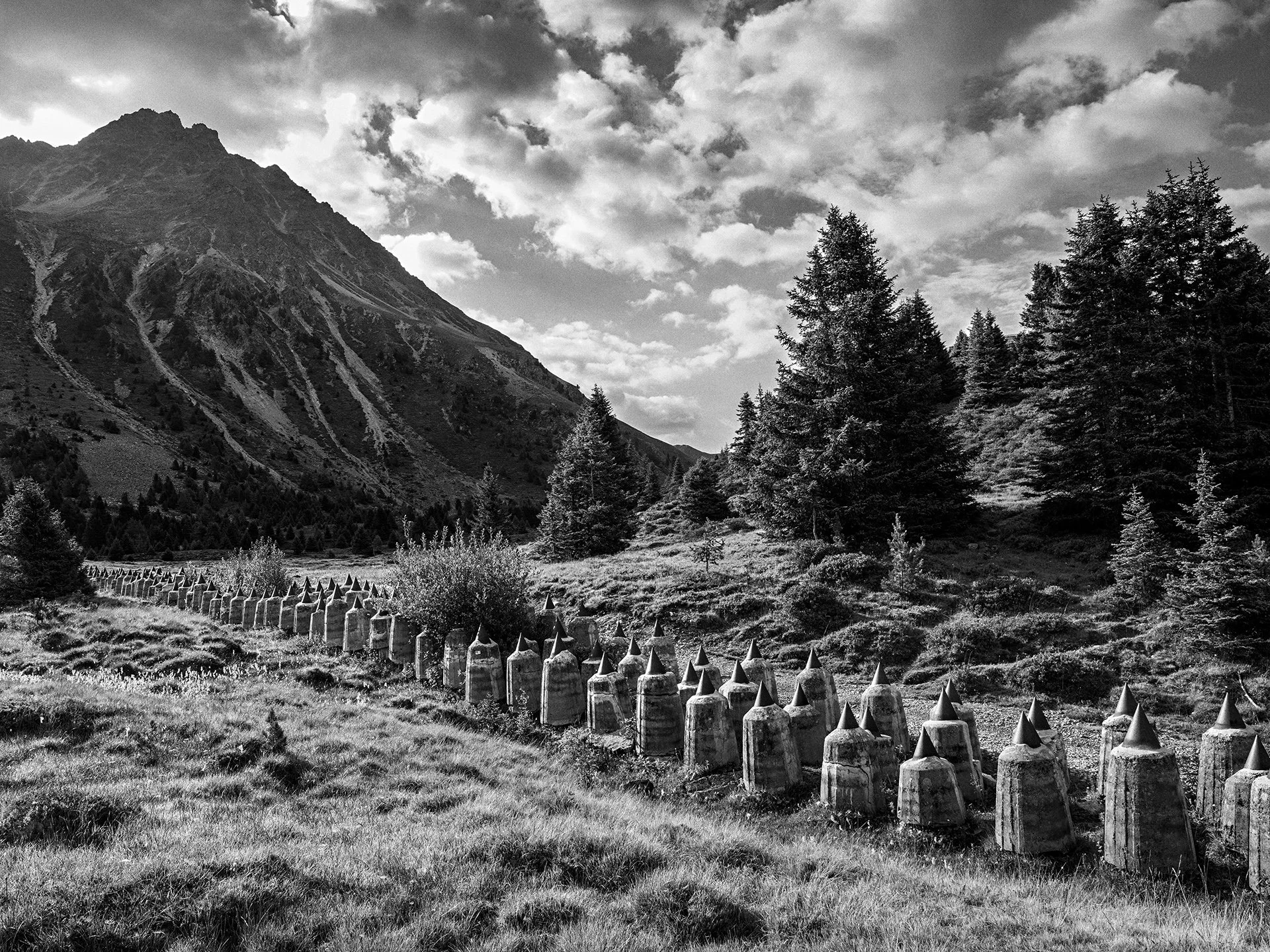
Dragon's Teeth - Italy
Constructed to defend strategic Alpine routes, Italy's dragon's teeth formed part of a wider mountain defense system. Today they remain among spectacular landscapes, where military architecture has gradually become part of the natural environment.
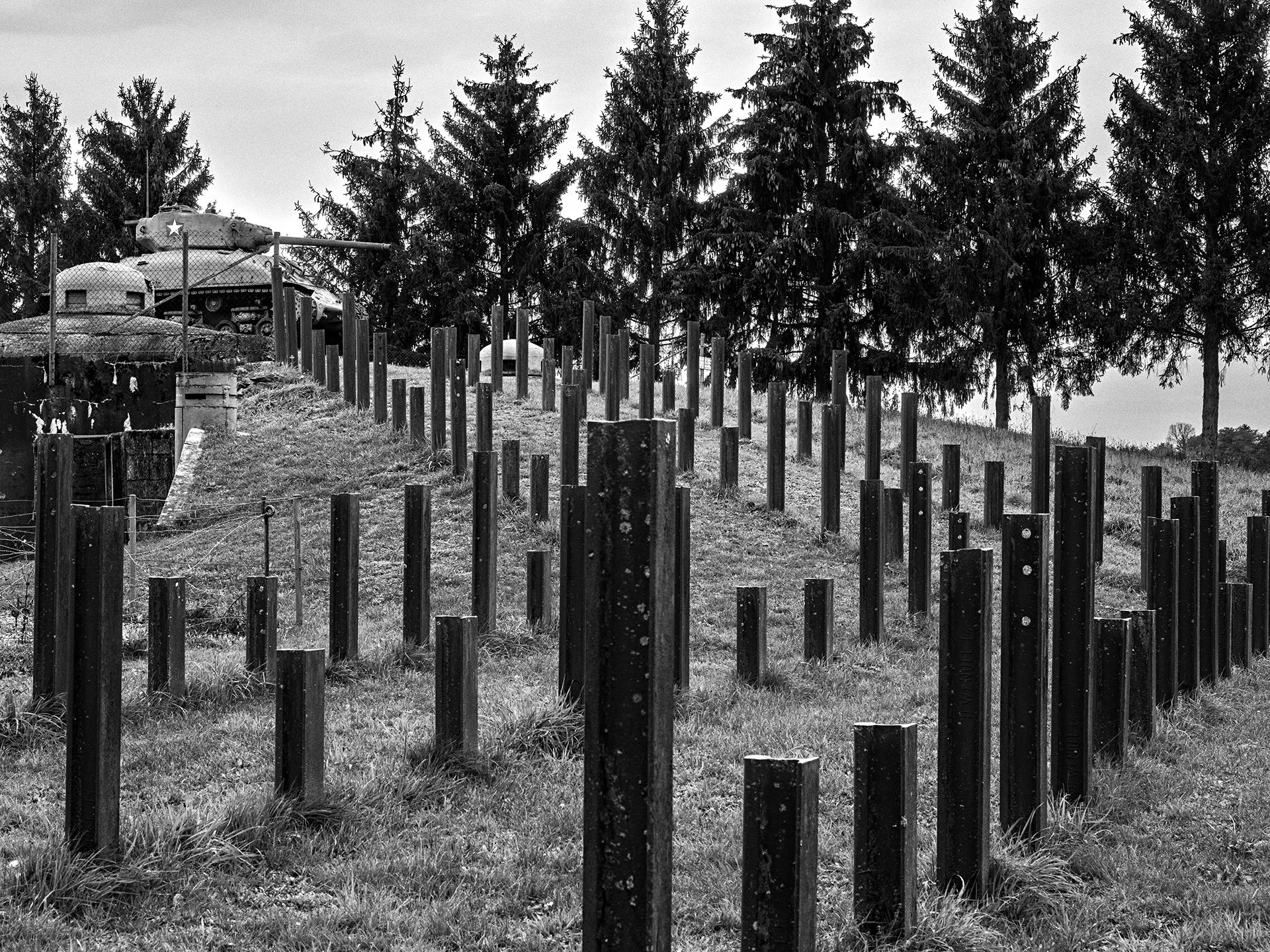
Dragon's Teeth - France
France built dragon's teeth to protect strategic routes and mountain passes as part of its anti-tank defenses before the Second World War. Though their military purpose has faded, they continue to preserve the physical memory of Europe's defensive frontier.
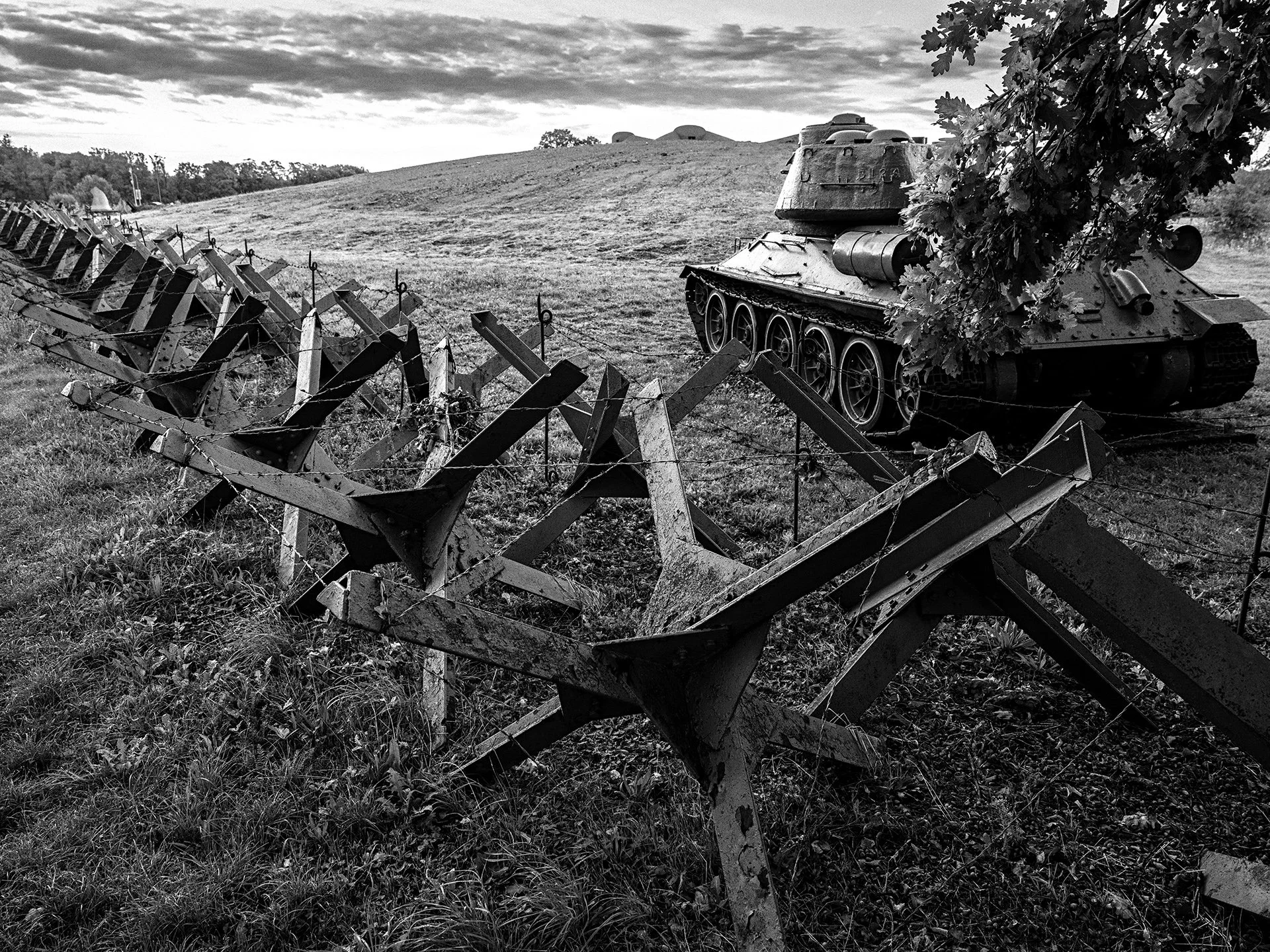
Dragon's Teeth - Czech Republic
Built along the borders of former Czechoslovakia before the Second World War, dragon's teeth formed part of an extensive defensive network. Today they stand as reminders of a nation that prepared for a war it could not ultimately prevent.
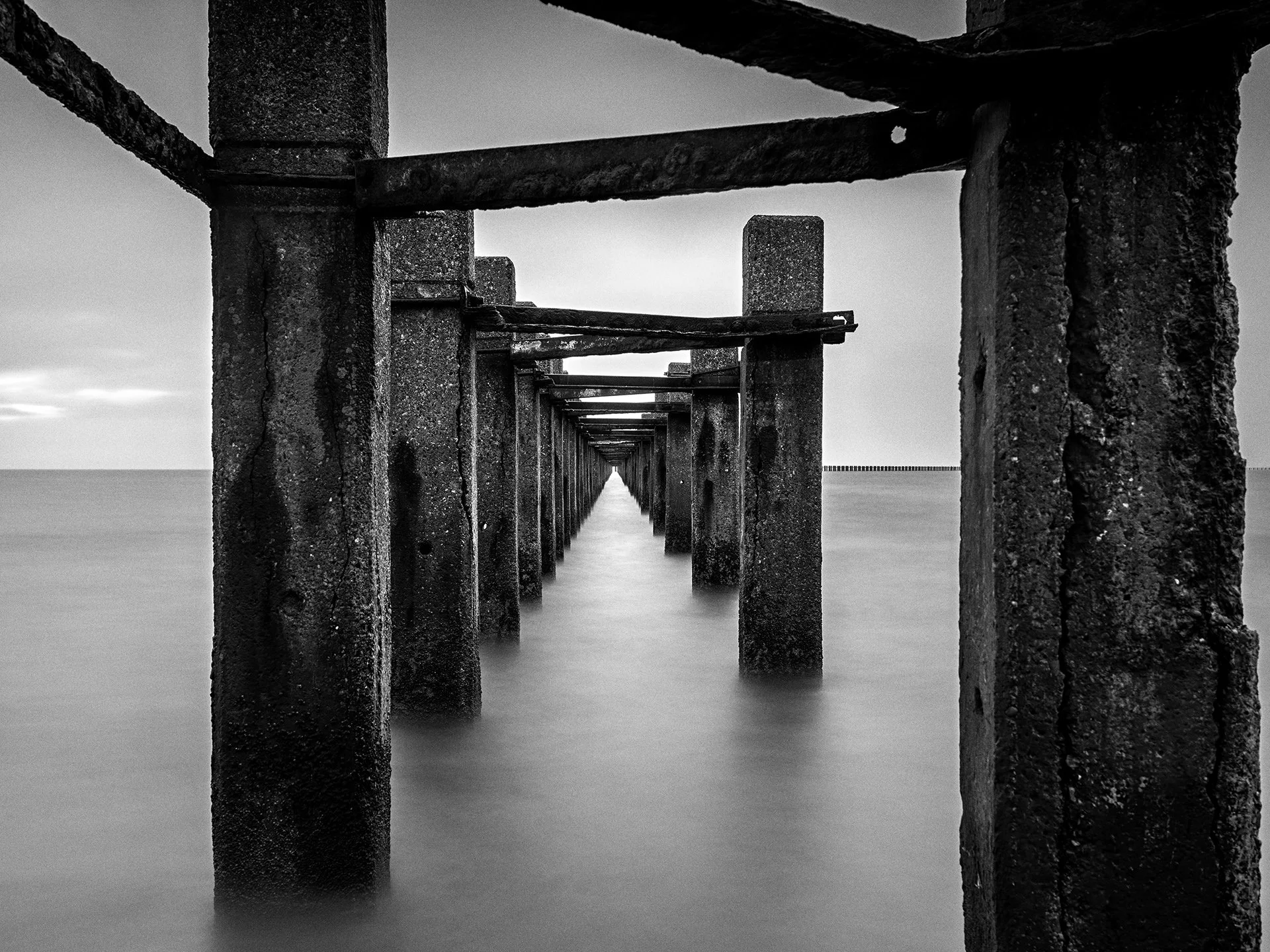
Dragon's Teeth - England
Built along Britain's coastline during the Second World War, dragon's teeth were intended to block a possible German invasion. Decades later, these abandoned defenses remain as quiet reminders of a time when the threat of war reached the British shore.
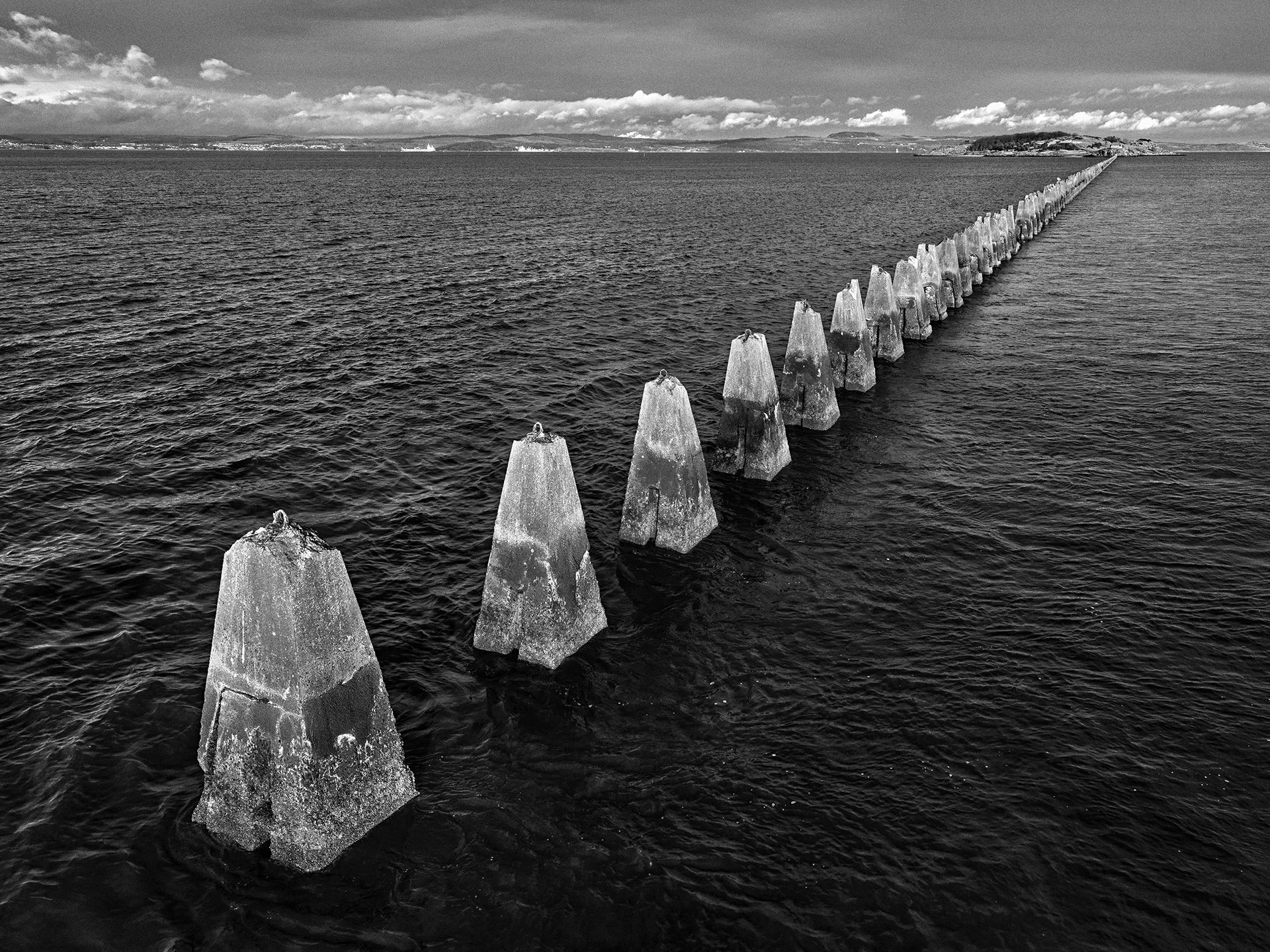
Dragon's Teeth - Scotland
Scotland's coastal dragon's teeth formed part of Britain's wartime defenses against amphibious landings. Today they stand against the sea, where military fortifications have become enduring features of the coastal landscape.